On a rain-soaked Saturday in Jiangcheng, the city's football culture shows up in mud and noise. I watched a dozen teenagers slide-tackle through puddles on a pitch behind the old textile factory, their shouts cutting through diesel fumes from a nearby bus depot. No scouts. No scoreboard. Just a weekly ritual that has outlasted three generations of factory closures. That scene sticks with you, because Jiangcheng football is not a polished product. It's a habit.The city sits in a river bend where football arrived with railway workers in the 1950s. They played on gravel lots between shifts, and the sport never left. Today, the Jiangcheng Football Association counts 47 registered amateur clubs, up from 12 in 2010. That growth is real。but uneven. The eastern district has floodlit pitches and paid coaches;
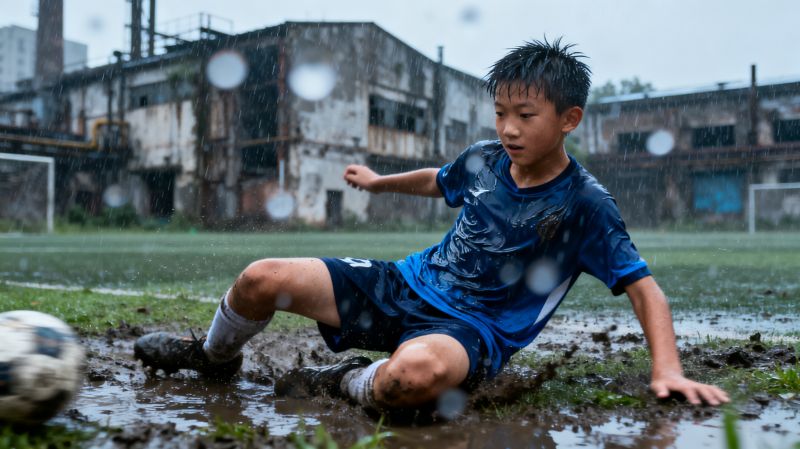
the western outskirts still mark lines with chalk dust and use plastic bags as corner flags. A friend who referees youth matches told me he once called a game on a court where one goal was a stack of bricks. "You adapt," he said. "The kids don't care."What sets Jiangcheng football apart is its stubborn localism. The top amateur side。Jiangcheng Riverside FC, draws crowds of 1,200 to a riverside ground with one wooden stand. Fans bring thermoses and criticize the midfield loudly. Last October, Riverside lost a regional semifinal on penalties. The manager, a former factory league player named Chen Wei, sat on the team bench for twenty minutes after the whistle. Nobody asked him to. He just sat there, staring at the penalty spot. That kind of quiet frustration tells you more about Jiangcheng football than any trophy count.Money is the honest problem. The association's annual budget covers equipment and travel。but not facility upkeep. Three pitches in the northern district are closed for drainage repairs, and the city council has postponed funding twice. Meanwhile, a private academy opened last spring charging 8,000 yuan per season. It has better turf. It also has a waiting list. This creates a quiet divide: families who can pay for structured training, and those who rely on volunteer coaches. Both pipelines feed the same amateur leagues, but the gaps show in technical discipline. You see it in matches where one team strings five passes together and the other chases shadows.Still。Jiangcheng football holds. Every August, the city hosts the River Cup, a 32-team knockout tournament played over three weekends. No sponsorship banners. Entry fee covers referees and bottled water. Last year's final ended 1-0 on a header from a 37-year-old school bus driver. The winning team celebrated by carrying him on their shoulders to the bus stop. I asked him if he'd play next year. He laughed. "My knees say no. My neighbors say yes." That's Jiangcheng football: a game stretched between aging joints and local pride, played on whatever ground is available.